Net worth of sultan of brunei 2022 – Delving into the vast wealth of the Sultan of Brunei, this article offers a captivating narrative, weaving together historical context, scientific facts, and personal anecdotes to provide an in-depth look at the Sultan’s net worth. As one of the wealthiest individuals in the world, the Sultan’s wealth is deeply rooted in the country’s strategic oil and gas reserves, as well as his savvy business ventures and investments.
The Sultan’s net worth has been a subject of fascination for many, with estimates ranging from $60 billion to over $100 billion. But what drives the Sultan’s wealth dynamics? What role has Islamic law played in shaping his financial decisions? And how has he cultivated a reputation as a leader in Southeast Asia through his philanthropic efforts and community development initiatives?
The Wealth Dynamics of the Sultan of Brunei: Net Worth Of Sultan Of Brunei 2022

In a world where wealth comes from a variety of sources, the Sultan of Brunei is one of the most successful accumulators of wealth. Born into a royal family, the Sultan’s wealth was initially inherited, but it has been amplified and diversified through strategic business investments and shrewd financial decisions. This wealth dynamics will be discussed in the following sections, focusing on the historical context, oil and gas reserves, and the Sultan’s business ventures.The Sultan of Brunei’s wealth accumulation can be understood in the context of the country’s strategic geographic location and the discovery of oil and gas reserves in the 1950s.
This discovery led to a period of rapid economic growth, transforming Brunei into one of the wealthiest countries in Southeast Asia.
Historical Context
The Sultan of Brunei’s family has been ruling the country since 1368, and their wealth was primarily based on the country’s natural resources, such as oil and gas. However, the modern wealth of the Sultan of Brunei began to take shape in the 1960s with the discovery of oil and gas in the South China Sea. This discovery transformed Brunei’s economy, making it one of the most affluent countries in Southeast Asia.The rapid increase in oil and gas production led to a significant increase in the country’s revenue.
As the oil and gas reserves grew, so did the Sultan’s wealth. He became one of the richest individuals in the world, with a significant portion of his wealth coming from oil and gas production.The Sultan of Brunei has diversified his wealth beyond oil and gas, investing in various sectors such as real estate, private equity, and finance. He has also invested in various countries, including the United Kingdom, the United States, and Malaysia, giving him a significant global presence.The Sultan’s business ventures and investments have helped to further increase his wealth, solidifying his position as one of the richest individuals in the world.
Oil and Gas Reserves
The discovery of oil and gas reserves in Brunei has been crucial to the country’s wealth accumulation. The country’s oil and gas reserves are considered among the largest in the world, making it a significant player in the global energy market.The country’s oil and gas production has increased steadily since the discovery of the first oil well in 1929. The Sultan of Brunei has been instrumental in the development of the country’s oil and gas industry, and his family’s wealth has grown exponentially as a result.Today, the Sultan of Brunei is estimated to have a net worth of over $40 billion, which is largely attributed to his ownership of the country’s oil and gas fields.
Business Ventures and Investments
The Sultan of Brunei has diversified his wealth beyond oil and gas, investing in various business ventures and sectors. He has invested in real estate, private equity, and finance, giving him a significant global presence.Some of the notable business ventures of the Sultan include:The Aman Group: A luxury resort company with properties in various locations around the world.The Brunei Investment Authority (BIA): A sovereign wealth fund managing the country’s investments.Dollar Investment Group (DIG): A private equity firm invested in various sectors, including real estate and technology.The Sultan’s wealth is now estimated to be over $40 billion, making him one of the richest individuals in the world.
The Sultan’s Philanthropic Efforts and Community Development

The Sultan of Brunei has been a renowned figure for his generosity and commitment to supporting the well-being of his people. Through various charitable initiatives and donations, he has made significant contributions to education, healthcare, and infrastructure projects. The Sultan’s philanthropic efforts not only reflect his leadership but also reinforce his reputation as a respected figure in Southeast Asia.In various spheres, the Sultan has extended his philanthropic endeavors.
For instance, in the realm of education, the Sultan and his government have collaborated to develop infrastructure and programs that cater to the educational needs of the people.
Cultural Heritage and National Identity
The Sultan has also been instrumental in promoting Brunei’s unique cultural heritage, which encompasses a rich blend of Malay and Islamic traditions. Efforts to preserve and showcase Brunei’s cultural identity have taken the form of various initiatives, such as the development of cultural centers, museums, and historical sites. These initiatives aim to not only preserve but also promote Brunei’s unique heritage among both locals and international visitors.
International Organizations and Global Events
The Sultan’s involvement with international organizations and global events reflects his commitment to fostering collaboration and cooperation on a global scale. This engagement encompasses participation in international summits and conferences, as well as financial contributions to various global initiatives. His involvement also extends to his role as a mediator in regional disputes, underscoring his reputation as a leader in the region.
- International Humanitarian Efforts: The Sultan has contributed to humanitarian causes globally, providing aid to those affected by natural disasters and conflicts.
- Global Health Initiatives: His philanthropic efforts extend to supporting global health initiatives, with a particular focus on combating diseases and improving healthcare systems.
- Fostering International Cooperation: Through his involvement in international organizations, the Sultan has played a key role in promoting cooperation and dialogue between nations.
Role in Promoting Brunei’s National Identity and Cultural Heritage
The Sultan’s commitment to promoting Brunei’s unique cultural heritage has taken various forms. He has been instrumental in the preservation and development of Brunei’s historic sites, museums, and cultural centers. These efforts aim to not only showcase Brunei’s rich cultural heritage but also promote a sense of national pride and identity among its citizens.
Education and Infrastructure Projects
Education and infrastructure projects have been a significant component of the Sultan’s philanthropic efforts. His government has invested heavily in developing modern educational facilities and providing scholarships to students, with a focus on improving access to quality education. Furthermore, infrastructure projects aimed at enhancing transportation and communication systems have also been undertaken to support economic growth and development.
Cultural Exchange and Community Development
Cultural exchange programs have been an essential aspect of the Sultan’s philanthropic efforts, promoting mutual understanding and cooperation between Brunei and other nations. Additionally, his commitment to community development has taken the form of various initiatives aimed at improving living standards, providing housing and social welfare services to the needy, and supporting rural development projects.
Legacy and Succession Planning for the Sultan’s Estate
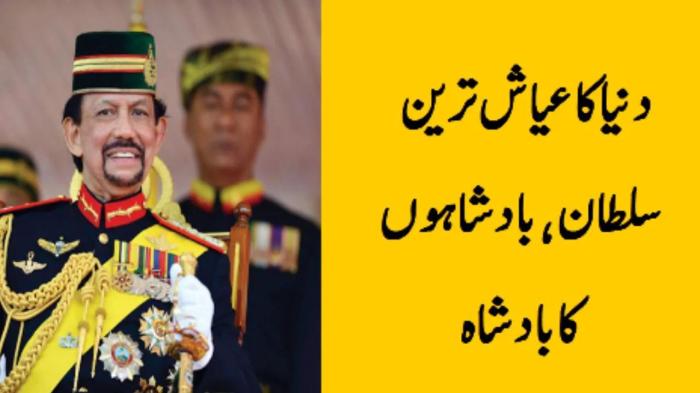
The Sultan of Brunei, with an estimated net worth of over $20 billion, has established a solid foundation for his legacy. His commitment to philanthropy and community development is a testament to his dedication to his people and the preservation of his wealth. However, the question of succession planning remains crucial in ensuring the continuity of his estate and business interests.In the Brunei Sultanate, succession is guided by the principle of hereditary monarchy.
The Sultan’s children and other family members play a vital role in the succession process. The eldest son, Al-Muhtadee Billah, currently holds the position of Crown Prince and is next in line to the throne. This ensures a smooth transition of power and helps maintain the stability of the monarchy.
Succession Planning Arrangements
To manage the Sultan’s assets after his passing, a complex system of trusts, foundations, and family-held companies is in place. The Sultan’s family has a significant stake in the Brunei Investment Agency (BIA), which oversees the country’s sovereign wealth fund. The BIA manages a diverse portfolio of investments, including real estate, stocks, and bonds. This strategic management of assets ensures that the Sultan’s wealth remains intact and continues to generate returns even after his passing.The Sultan’s succession plans also involve the establishment of the Sultan Haji Hassanal Bolkiah Foundation, a charitable organization dedicated to supporting education, healthcare, and economic development initiatives.
This philanthropic effort ensures that the Sultan’s wealth is utilized for the greater good of the Brunei people.
Comparing Succession Plans
The Sultan’s succession planning strategy is comparable to that of other monarchs and billionaires. Prince Charles, the Prince of Wales, has implemented a similar approach to succession planning, with his children and grandchildren playing key roles in the family business and charitable endeavors. Meanwhile, billionaires like Bill Gates have established the Bill and Melinda Gates Foundation, which manages their philanthropic efforts and ensures the continuation of their charitable legacy.However, the Sultan’s approach to succession planning is unique due to the country’s hereditary monarchy and the importance placed on preserving traditional values and customs.
This commitment to tradition and cultural heritage sets the Sultan apart from other wealthy individuals and monarchs.
Maintaining the Sultan’s Wealth and Business Interests
Succession planning is crucial in ensuring the continuity of the Sultan’s wealth and business interests. By establishing a clear line of succession, the Sultan has ensured that his family and closest advisors will continue to manage his assets and make strategic decisions on his behalf. This approach helps maintain the stability and prosperity of the Brunei economy and ensures that the Sultan’s legacy continues to benefit the nation and its people.The Brunei Sultanate’s commitment to preserving traditional values and customs, combined with its forward-thinking approach to succession planning, has enabled the country to maintain its position as one of the world’s wealthiest nations.
As the Sultan continues to shape his legacy, his focus on succession planning will be crucial in ensuring the continued prosperity and stability of the Brunei people.
Challenges and Opportunities
Despite the Sultan’s commitment to succession planning, challenges remain in ensuring the continuity of his wealth and business interests. The complex system of trusts, foundations, and family-held companies requires ongoing management and strategic decision-making to maintain its effectiveness. Additionally, the changing global landscape and shifting market trends pose risks to the Sultan’s investments and business interests.However, these challenges also present opportunities for the Sultan’s family and closest advisors to adapt and innovate, ensuring that the Sultan’s legacy continues to thrive and benefit the Brunei people.
Conclusion
In conclusion, the Sultan of Brunei’s commitment to succession planning has ensured the continuity of his wealth and business interests. The system of trusts, foundations, and family-held companies in place will continue to manage his assets and generate returns even after his passing. As the Sultan continues to shape his legacy, his focus on succession planning will remain crucial in maintaining the stability and prosperity of the Brunei economy and the nation’s people.The Brunei Sultanate’s approach to succession planning serves as a model for other monarchs and billionaires seeking to maintain their wealth and business interests.
By combining traditional values with forward-thinking strategies, the Sultan has ensured that his legacy will continue to benefit the nation and its people for generations to come.
Challenges and Controversies Surrounding the Sultan’s Wealth and Power

The Sultan of Brunei has long been a topic of interest for his extraordinary wealth and privilege. However, amidst the opulence and grandeur, lies a complex web of challenges and controversies that have stirred public scrutiny. One of the most pressing concerns is the glaring social inequality in Brunei, where a small segment of the population holds an overwhelming majority of the country’s wealth.
The Sultan’s immense wealth, estimated to be around $40 billion, has raised questions about the distribution of resources and the impact it has on the country’s economic development.
The Impact of the Sultan’s Wealth on Brunei’s Economic Development, Net worth of sultan of brunei 2022
The vast fortune accumulated by the Sultan has undoubtedly contributed significantly to Brunei’s economic growth. The country’s oil reserves have enabled it to become a high-income nation, with a Gross Domestic Product (GDP) per capita exceeding $70,000. However, the Sultan’s business interests often take precedence over the country’s economic development, leading to concerns about the sustainability of the country’s wealth.
Critics argue that the Sultan’s dominance in the business sector stifles competition and innovation, hindering Brunei’s ability to transition into a more diversified economy.
- The Sultan’s business empire is largely self-sufficient, relying heavily on its oil and gas reserves. This has led to concerns about the country’s vulnerability if the oil market experiences a downturn.
- The concentration of wealth in the hands of a few individuals limits social mobility and hinders the growth of a more equitable society.
- The lack of transparency in the Sultan’s business dealings has raised concerns about corruption and embezzlement.
Tensions Between the Sultan’s Business Interests and Royal Responsibilities
As the absolute monarch of Brunei, the Sultan has the power to shape the country’s laws and policies. However, his business interests often create conflicts of interest, raising questions about his ability to serve the country’s best interests. The Sultan has faced criticism for his role in the 2014 anti-corruption raids, which resulted in the arrest and imprisonment of several senior government officials accused of corruption.
Critics argue that the raids were a move to eliminate potential threats to the Sultan’s power and control.
“The line between the Sultan’s personal interests and his royal responsibilities has become increasingly blurred.”
The Sultan’s Response to Public Scrutiny and Criticism
The Sultan has remained largely immune to criticism, both domestically and internationally. The country’s strict laws on free speech and the press have made it difficult for critics to voice their opinions. Human rights organizations have raised concerns about the Sultan’s human rights record, citing the persecution of minority groups and the lack of transparency in his business dealings. The Sultan’s response to criticism has been to emphasize his commitment to Islamic values and his role as the absolute monarch of Brunei.
“The Sultan’s response to criticism has been one of deflection, emphasizing his commitment to Islamic values and his duty to protect the country from threats both internal and external.”
Conclusion
The challenges and controversies surrounding the Sultan’s wealth and power are complex and deeply ingrained. The Sultan’s vast fortune has undoubtedly contributed to Brunei’s economic growth, but it has also raised concerns about inequality, corruption, and the concentration of power. As the country navigates its transition into a more diversified economy, the Sultan’s leadership and vision will be crucial in shaping the country’s future.
Closure
As we navigate the complexities of the Sultan’s wealth dynasty, it becomes clear that his legacy extends far beyond his personal fortune. The Sultan’s business ventures, philanthropic efforts, and commitment to Islamic finance have all contributed to his reputation as a shrewd leader and savvy businessman. But as the Sultan looks to the future, challenges and controversies surrounding his power and privilege continue to raise questions about the implications of his wealth on Brunei’s economic development and social equality.
Question & Answer Hub
What is the source of the Sultan’s wealth?
The Sultan’s wealth is primarily derived from Brunei’s strategic oil and gas reserves, as well as his savvy business ventures and investments in real estate, private equity, and other sectors.
How much is the Sultan’s net worth estimated to be?
Estimates of the Sultan’s net worth range from $60 billion to over $100 billion.
What role has Islamic law played in shaping the Sultan’s financial decisions?
Islamic law has played a significant role in shaping the Sultan’s financial decisions, particularly in terms of his investment portfolio and wealth management strategies.
What are some of the Sultan’s notable philanthropic efforts?
The Sultan has invested in a range of philanthropic initiatives, including education, healthcare, and infrastructure projects, as well as cultural heritage and national identity initiatives.
