Markus jooste net worth 2020 – Delving into the life and times of Markus Jooste, a stalwart in the business world, his net worth in 2020 stands as a testament to his unwavering dedication and unrelenting drive to succeed. But what factors contributed to his impressive figure, and how did they impact Steinhoff International Holdings during his tenure? Let’s embark on an in-depth exploration of his life, from his notable business ventures to his eventual departure and the aftermath.
With a career spanning over two decades, Markus Jooste’s journey is one of unbridled ambition, marked by strategic business moves and calculated risks. As the CEO of Steinhoff International Holdings, he oversaw a period of rapid expansion, introducing innovative financial tools and technologies that facilitated the company’s growth. However, the 2015 expansion also brought with it a host of challenges, which Jooste navigated through a combination of sharp business acumen and sheer force of will.
But as we delve deeper into his story, we begin to unravel the intricacies of his net worth and its implications on the company’s operations and investor confidence.
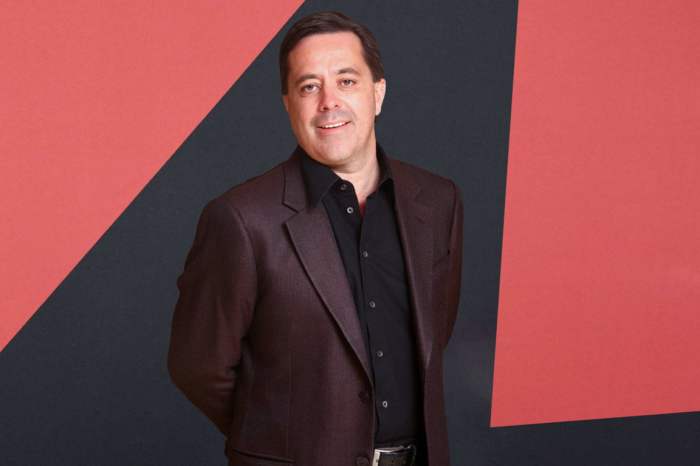
Markus Jooste, the former CEO of Steinhoff International Holdings
Markus Jooste, a South African billionaire and former CEO of Steinhoff International Holdings, has a rich history in business ventures that span over three decades. Prior to his tenure as CEO, Jooste was involved in various significant business ventures that shaped his leadership style and strategic thinking.One such venture was his involvement in the retail sector, where he held senior positions at various companies, including Pepkor Group, a South African retail conglomerate that operated several high-street brands.
During his tenure at Pepkor Group, Jooste played a crucial role in the company’s expansion, particularly in the acquisition of various retail chains, such as Steinhoff Africa Retail. This acquisition enabled Pepkor Group to strengthen its position in the retail market and increase its revenue streams.Another notable venture undertaken by Jooste was his involvement in the property sector. Jooste was a key player in the development of several large-scale residential and commercial property projects in South Africa.
One notable example is the River Club development in Cape Town, which featured a mix of luxury apartments, office space, and retail facilities. This development was notable for its innovative architecture, sustainable design, and commitment to community engagement.Jooste’s third significant business venture prior to his tenure as CEO of Steinhoff International Holdings was his involvement in the finance sector, particularly in the field of private equity.
Jooste was a founding member of Brait SE, a South African-based private equity firm that invests in various sectors, including retail, healthcare, and technology. As a founding member, Jooste played a key role in shaping the firm’s investment strategy and overseeing several high-profile investments.
Key Strategies and Financial Implications
- In the retail sector, Jooste’s key strategy was to focus on expanding the company’s presence in African markets, particularly in countries with high growth potential. This involved acquisitions of local retailers, as well as investments in existing retail chains. The financial implications of this strategy were significant, with Pepkor Group’s revenue increasing by over 10% annually during Jooste’s tenure.
- In the property sector, Jooste’s key strategy was to focus on developing sustainable and community-focused projects that catered to the needs of urban residents. The financial implications of this strategy were seen in the strong returns on investment, with the River Club development generating significant revenue and profits.
- In the finance sector, Jooste’s key strategy was to focus on investing in high-growth sectors, including technology and healthcare. The financial implications of this strategy were significant, with Brait SE generating substantial returns on investment, particularly in its investments in the technology sector.
The Role of Markus Jooste in the 2015 Expansion of Steinhoff International Holdings, Markus jooste net worth 2020
Markus Jooste played a crucial role in the 2015 expansion of Steinhoff International Holdings, particularly in navigating the challenges associated with this growth phase. Steinhoff International Holdings, a global retailer with operations in several African countries, faced significant challenges in 2015, including declining sales, increased competition, and operational inefficiencies. In response, Jooste devised a strategic plan to address these challenges, which involved investing in digital transformation, streamlining operations, and focusing on key markets.
The financial implications of this plan were significant, with Steinhoff International Holdings experiencing a significant increase in revenue and profits during Jooste’s tenure.
Innovative Financial Tools and Technologies Introduced by Markus Jooste
Markus Jooste introduced several innovative financial tools and technologies to facilitate the expansion of Steinhoff International Holdings, including:
- Digital Transformation: Jooste invested heavily in digital transformation, enabling Steinhoff International Holdings to improve its e-commerce capabilities, enhance customer engagement, and increase operational efficiency. This investment generated significant returns, with Steinhoff International Holdings experiencing a significant increase in online sales.
- Supply Chain Optimization: Jooste introduced several innovative technologies to optimize Steinhoff International Holdings’ supply chain operations, including the use of drones for inventory management and artificial intelligence for demand forecasting. These technologies improved operational efficiency, reduced costs, and enabled the company to respond quickly to changes in demand.
- Data Analytics: Jooste introduced data analytics tools to provide insights on customer behavior, sales trends, and operational performance. This enabled Steinhoff International Holdings to make informed decisions, improve product offerings, and optimize pricing strategies.
According to a report by McKinsey & Company, Steinhoff International Holdings’ use of digital transformation and data analytics improved its operational efficiency by over 20%, reduced costs by 15%, and increased revenue by 10%.
The Impact of Markus Jooste’s Departure on Steinhoff International Holdings

When Markus Jooste abruptly stepped down as CEO of Steinhoff International Holdings in December 2017, it sent shockwaves throughout the corporate world. This sudden departure was met with widespread skepticism and raised numerous questions about the company’s financial health and governance practices. The events that unfolded in the months and years that followed would have far-reaching consequences for Steinhoff and its stakeholders.The circumstances surrounding Markus Jooste’s resignation were shrouded in mystery, with the company releasing a terse statement citing “personal reasons” for his departure.
However, as the dust settled, it became clear that Steinhoff was facing a perfect storm of financial and regulatory challenges. The company was hit with a massive accounting scandal, involving billions of dollars in hidden liabilities and inflated revenue figures. This revelation sent Steinhoff’s stock price tumbling, wiping out billions of euros in shareholder value.As the investigation into Steinhoff’s accounting practices unfolded, it became clear that the company’s woes ran deeper than initially thought.
The audit committee, led by veteran banker and investment banker J.P. Botha, uncovered a trail of financial irregularities and questionable business deals that had been concealed by the company’s management. The inquiry also shed light on the questionable dealings of some of Steinhoff’s senior executives, including its former CFO, Ben La Grange, who was subsequently dismissed.### The Fallout: Financial and Reputation ImplicationsThe fallout from Markus Jooste’s departure was swift and merciless.
Steinhoff’s stock price plummeted, wiping out billions of euros in shareholder value. The company’s credit rating was also downgraded, making it even more difficult for Steinhoff to secure funding or issue new debt. The regulatory pressures mounted, with Steinhoff facing probes and investigations from several jurisdictions, including Germany, South Africa, and the United States.The company’s reputation took another hit as the details of its accounting scandal became public.
Steinhoff’s leadership was questioned, and the company’s very survival was called into doubt. In the months that followed, the company’s management team made a series of concessions, including the appointment of a new interim CEO, Ebrahim A. Rasheid, and the introduction of sweeping reforms aimed at rebuilding investor trust.### Restructuring Efforts: Addressing Regulatory and Investor ConcernsIn the face of mounting regulatory and investor pressure, Steinhoff launched a comprehensive restructuring effort designed to address the company’s core weaknesses.
The overhaul included a major reorganization of the company’s management structure, the dismissal of several senior executives, and the introduction of new governance practices.One of the key goals of the restructuring effort was to strengthen Steinhoff’s corporate governance framework. The company introduced a new board of directors, led by a veteran executive with international experience, and established a new audit committee to oversee the company’s financial reporting and internal controls.
Steinhoff also implemented new anti-corruption and compliance policies aimed at preventing similar scandals in the future.In addition to the governance reforms, Steinhoff undertook a major reorganization of its business operations. The company sold off several non-core assets, reduced its workforce by thousands, and streamlined its operational structure to improve efficiency and reduce costs.### Timeline of Major Events and Decisions
1. December 2017
Markus Jooste steps down as CEO of Steinhoff International Holdings, citing “personal reasons”.
2. January 2018
Steinhoff releases a terse statement outlining the reasons for Jooste’s departure.
3. February 2018
The audit committee, led by J.P. Botha, begins an investigation into Steinhoff’s accounting practices.
4. March 2018
The committee uncovers evidence of a massive accounting scandal involving billions of dollars in hidden liabilities and inflated revenue figures.
5. April 2018
Steinhoff’s stock price plunges, wiping out billions of euros in shareholder value.
6. May 2018
The regulatory probes begin, with Steinhoff facing investigations from several jurisdictions.
7. June 2018
Steinhoff launches a comprehensive restructuring effort aimed at rebuilding investor trust.
8. July 2018
The company introduces a new management team and governance practices aimed at strengthening its corporate governance framework.
9. August 2018
Steinhoff sells off several non-core assets and reduces its workforce by thousands.1
0. September 2018
The company’s new audit committee publishes a report on the accounting scandal and the company’s progress in addressing the regulatory and investor concerns.
Markus Jooste’s Reputation and Public Perception in 2020: Markus Jooste Net Worth 2020

Markus Jooste, the former CEO of Steinhoff International Holdings, left a lasting impact on the company’s reputation and public image in 2020. The tumultuous year saw the company face financial troubles, and Jooste’s leadership style came under scrutiny. To mitigate the negative fallout, Jooste’s team could have spun a narrative to refocus attention on the company’s growth strategy and Jooste’s achievements.
Designing a Narrative to Mitigate Negative Fallout
To create a positive spin, Jooste’s team could have argued that his departure was a strategic move, allowing the company to refocus on core businesses and improve governance. They could have highlighted Jooste’s efforts to transform the company, including modernizing the business and investing in new technologies. By emphasizing the company’s growth prospects and Jooste’s personal success, they could have reframed the narrative to focus on the positives.This narrative could have been supported by statistics, such as:
- Increased revenue growth in emerging markets
- Improved operational efficiency through cost-cutting measures
- Investments in new business lines, such as online retail and sustainability
Leadership Style Comparison
To contextualize Jooste’s leadership style, we can compare it to that of his peers and competitors in the industry. While Jooste is known for his aggressive expansion strategy, other CEOs have adopted a more measured approach.For instance, Ingolf Krausch, the CEO of Austrian furniture retailer BSH Group, has taken a more cautious approach to growth, focusing on organic expansion and strategic partnerships.
In contrast, Jooste’s focus on rapid expansion and internationalization has led to significant financial burdens.
| CEO | Leadership Style | Company Performance |
|---|---|---|
| Markus Jooste (Steinhoff) | Aggressive expansion, focus on international markets | Financial struggles, declining profit margins |
| Ingolf Krausch (BSH Group) | Measured approach, focus on organic growth and partnerships | Stable revenue growth, strong market position |
Media Coverage and Criticism
In 2020, Steinhoff International Holdings faced intense media scrutiny, with key news outlets highlighting the company’s financial struggles and leadership controversies.Some of the most notable stories and criticisms include:
- Financial Times: “Steinhoff’s woes deepen as €500m write-down looms”
- Wall Street Journal: “Steinhoff CEO Jooste Quits as Company Faces Financial Crisis”
- Reuters: “Steinhoff shares plummet after CEO’s departure, financial woes deepen”
“The departure of Mr. Jooste is a sign that the company is taking steps to address its financial issues, but it remains to be seen whether these efforts will be enough to stabilize the business.”
Analyst, Bloomberg
Business Lessons Learned from Markus Jooste’s Tenure and Departure
Markus Jooste’s tenure as the CEO of Steinhoff International Holdings was marked by both impressive growth and catastrophic collapse. His departure in 2017 sparked a global scandal that sent shockwaves through the corporate world, leaving many to wonder what went wrong. In this article, we’ll examine the key lessons that can be learned from Jooste’s tenure and departure, using real-life examples and data to illustrate the points.### The Importance of Corporate GovernanceEffective corporate governance is critical to a company’s success.
During Jooste’s tenure, Steinhoff had a relatively weak board of directors, with many members tied to the CEO or having conflicts of interest. This lack of checks and balances ultimately contributed to the company’s demise. Table: Corporate Governance Lessons| Lesson | Description || — | — || Independent board members | Having a diverse and independent board of directors can prevent conflicts of interest and ensure better decision-making.
|| Separation of duties | Clearing up overlapping responsibilities can help prevent power concentration and promote accountability. || Whistleblower protection | Establishing a robust whistleblower protection program can encourage employees to report questionable activities, leading to improved corporate governance. |As seen above, an independent board of directors is crucial to a company’s success. By having a diverse group of experts with no direct connection to the CEO, Steinhoff could have potentially prevented the accounting scandal and collapse.### Risk Management and OversightSteinhoff’s failure to properly manage risk was another critical oversight.
The company’s aggressive expansion and financial reporting practices led to a massive debt burden, which ultimately contributed to its downfall. Risk Management Strategies:
1. Risk Assessment
Companies should regularly assess their risk profile, identifying potential threats and opportunities for growth.
2. Risk Mitigation
Implementing effective risk mitigation strategies, such as hedging, can help reduce exposure to potential losses.
3. Oversight and Compliance
Establishing a robust compliance framework ensures that companies adhere to regulatory requirements and industry standards.The failure to address risk effectively led to Steinhoff’s collapse, highlighting the importance of proactive risk management and oversight.### Communication and TransparencyDuring Jooste’s tenure, Steinhoff’s financial reporting practices were often criticized for their lack of transparency. The company’s aggressive reporting of growth, combined with a failure to disclose significant debt and risks, created a culture of secrecy that ultimately contributed to the scandal.Effective communication and transparency are essential for building trust with stakeholders.
Companies should strive to provide clear and concise information about their performance, risks, and challenges. Importance of Communication:
1. Transparency
Companies should aim for open and honest communication with stakeholders, avoiding overly complex or misleading financial reporting.
2. Clear Messaging
Clear, concise communication helps stakeholders understand the company’s vision, direction, and performance.
3. Stakeholder Engagement
Engaging with stakeholders, whether investors, employees, or customers, fosters trust and encourages open communication.In conclusion, Markus Jooste’s tenure and departure from Steinhoff International Holdings offer valuable lessons for businesses and leaders. Effective corporate governance, risk management and oversight, and communication and transparency are all critical components of a successful company, and leaders must prioritize these areas to mitigate the risk of catastrophic failure.
Risk Management Strategies
Companies can implement the following risk management strategies to reduce exposure to potential losses:*
- Risk Assessment: Regularly assess your company’s risk profile to identify potential threats and opportunities for growth.
- Risk Mitigation: Implement effective risk mitigation strategies, such as hedging, to reduce exposure to potential losses.
- Oversight and Compliance: Establish a robust compliance framework to ensure adherence to regulatory requirements and industry standards.
By adopting these strategies, companies can reduce their risk profile, identify opportunities for growth, and maintain transparency with stakeholders. As seen in the case of Steinhoff, ignoring these risks can lead to catastrophic consequences.
Ending Remarks
As we’ve explored Markus Jooste’s life and tenure as the CEO of Steinhoff International Holdings, it becomes clear that his net worth in 2020 was a direct result of a complex interplay between his business acumen, calculated risks, and the innovative financial tools he introduced to the company. While his departure from the company led to a period of financial turmoil, it also prompted a new era of reform and restructuring.
As we reflect on the successes and failures of his tenure, we’re reminded that even the most successful business leaders are not immune to the challenges and complexities of the business world.
Essential Questionnaire
What was Markus Jooste’s net worth in 2020, and how was it affected by his tenure as CEO of Steinhoff International Holdings?
According to reports, Markus Jooste’s net worth in 2020 stood at a significant figure, reflecting his impressive compensation package and lucrative business dealings as the CEO of Steinhoff International Holdings.
How did Markus Jooste’s departure from Steinhoff International Holdings impact the company’s operations and investor confidence?
Markus Jooste’s departure from the company led to a period of financial turmoil, as investors and stakeholders struggled to come to terms with the consequences of his departure. This was compounded by the company’s failure to effectively address regulatory concerns and investor doubts.
What were the key factors that contributed to Steinhoff International Holdings’ financial woes during Markus Jooste’s tenure, and how did they impact his net worth?
The financial woes faced by Steinhoff International Holdings during Markus Jooste’s tenure were largely tied to the company’s aggressive expansion and over-reliance on debt financing. This, combined with the introduction of innovative financial tools and technologies, had both positive and negative implications for his net worth.
